

Learn how to streamline business processes with 9 effective, practical steps to reduce inefficiencies, save time, and improve workflows—without overcomplicating your business.
Most small business owners don’t wake up thinking, “Today I’m going to create inefficient processes.”
Yet over time, that’s exactly what happens—slowly, quietly, and usually without anyone noticing.
I’ve seen it play out the same way again and again. A business grows, work gets busier, and decisions get made on the fly. What once felt flexible starts to feel chaotic. Suddenly, everything takes longer than it should, mistakes creep in, and the owner becomes the unofficial glue holding everything together.
This is where learning how to streamline business processes really matters.
Streamlining isn’t about adding fancy software or turning your business into a corporate machine. It’s about removing friction, clarifying how work actually gets done, and making everyday operations easier—for you and everyone involved.
Below are nine effective, experience-based steps that show how to streamline business processes in a way that’s practical, realistic, and sustainable for small businesses.
Step 1: Understand What “Streamlining” Really Means
Before making changes, it helps to reset expectations.
Streamlining does not mean:
- doing more work
- cutting corners
- rushing people
- automating everything
At its core, streamlining is about process improvement—removing unnecessary steps, clarifying responsibilities, and focusing on value-added activities.
A streamlined process is one where:
- work flows smoothly
- decisions are clear
- people don’t rely on memory alone
- effort actually leads to results
This mindset shift alone can dramatically improve business efficiency.
Step 2: How Do I Identify Inefficiencies in My Business Processes?
This is the question almost every owner asks—and it’s the right place to start.
Inefficiencies usually hide in plain sight. They show up as:
- repeated questions
- delays between steps
- rework
- constant follow-ups
- frustration or confusion
One simple way to spot them is to walk through a task step by step and ask:
- Where does work slow down?
- Where do decisions get stuck?
- Where do mistakes tend to happen?
These are signs of operational bottlenecks and redundant tasks, not people failing.
Step 3: Map How Work Actually Gets Done (Not How You Think It Does)
Many businesses believe they know their processes—until they try to write them down.
This is where process mapping becomes incredibly useful. Even a simple outline of steps can reveal:
- unnecessary hand-offs
- unclear ownership
- duplicated effort
- hidden gaps
You don’t need flowcharts or consultants to start. A basic list on paper is enough to expose gaps and opportunities.
This step alone often improves workflow analysis and highlights where manual processes could be simplified.
Step 4: How to Streamline Business Processes Without New Software
One of the most common objections I hear is, “We don’t have the budget for new tools.”
The good news? Most streamlining happens before software is involved.
You can often streamline by:
- removing steps that add no value
- clarifying decision points
- standardizing how tasks are done
This reduces waste reduction issues and improves process consistency—without spending a dollar.
Software should support good processes, not compensate for unclear ones.
Step 5: How to Improve Business Processes Effectively
Effective improvements tend to be small and focused.
Rather than fixing everything at once, ask:
- Which change would remove the most friction right now?
Examples include:
- clarifying who owns a decision
- defining a standard way to complete a task
- reducing approvals
This approach supports continuous improvement and avoids the burnout that comes with trying to overhaul everything.
Step 6: Simplify Before You Automate
Automation is tempting—but automating a broken process only creates faster problems.
Before introducing tools, make sure:
- steps are necessary
- roles are clear
- outcomes are defined
Once simplified, automation can enhance workflow optimization and operational efficiency. But it should never be the first step.
Step 7: A Practical Guide to Streamlining Business Processes
At a practical level, most businesses benefit from focusing on three areas:
- Clarity – Who does what, and when
- Consistency – The same task done the same way
- Visibility – Clear expectations and outcomes
Improving these areas strengthens business systems and reduces reliance on constant oversight.
Step 8: Expert Tips on Improving Business Workflows
Some lessons only come from experience:
- Document processes while they’re fresh
- Fix recurring issues, not one-off problems
- Don’t confuse speed with effectiveness
- Involve the people doing the work

These expert tips on improving business workflows help ensure changes actually stick.
Step 9: Review, Adjust, and Keep It Simple
Streamlining is not a one-time project. Businesses evolve, and so should their processes.
Set aside time—quarterly or annually—to review:
- what’s working
- what feels harder than it should
- where effort isn’t paying off
This keeps operational clarity intact and prevents small issues from becoming chronic problems.
Helpful Tools That Support Streamlining Processes
While tools aren’t the solution by themselves, the right ones can support better workflows.
- POST-IT Removable Dry Erase Whiteboard Film Surface for Walls, Doors, Tables etc. – for quick process mapping and planning
- TECHORBITS Standing Desk Convertor – 32-inch Height– supports focused, uninterrupted work
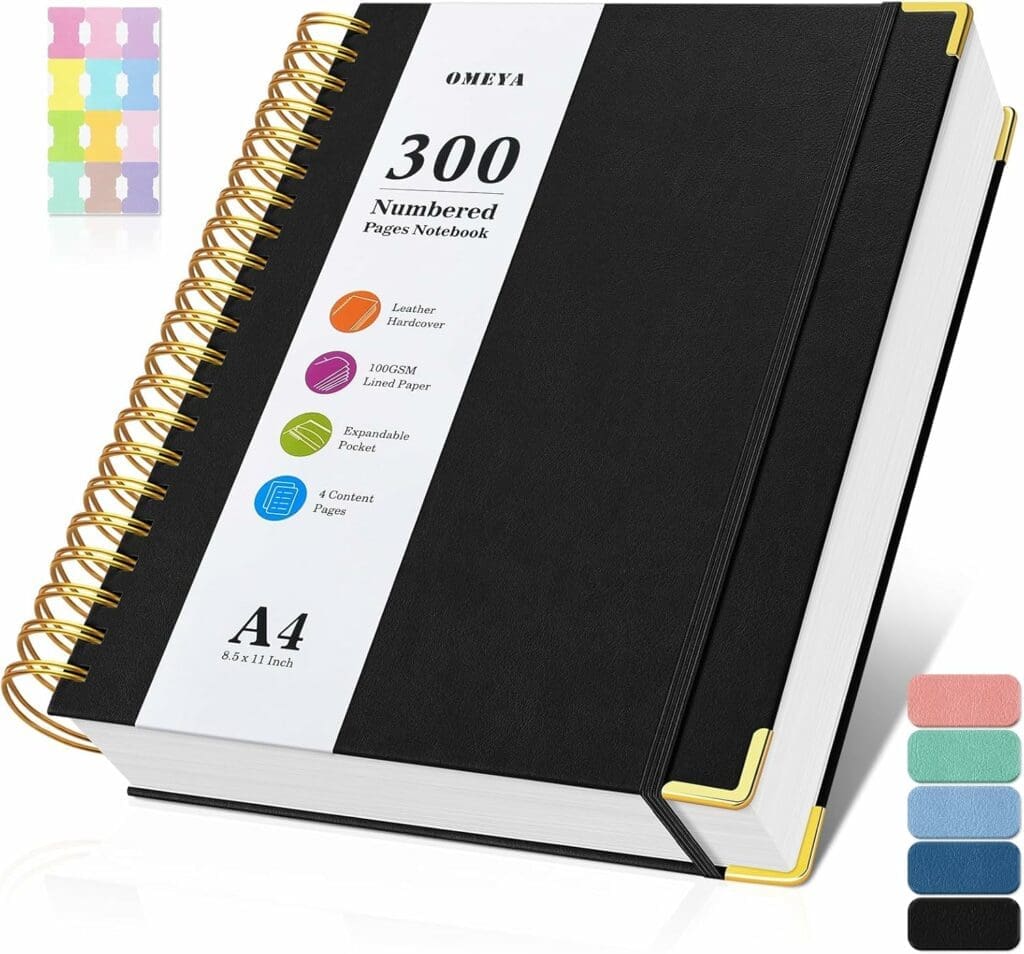
- OMEYA Wirebound Project Notebook – ideal for documenting processes and improvements
These tools support organization and productivity improvement without unnecessary complexity.

Conclusion: Streamlining Is About Working Clearer, Not Harder
Learning how to streamline business processes isn’t about perfection. It’s about making work easier, decisions clearer, and outcomes more predictable.
When you remove friction, people perform better—and the business feels lighter to run.
CTA
If you want to start streamlining, pick one process that feels harder than it should and simplify it this week. The results will often surprise you.
FAQs
How do I streamline business processes in a small business?
Start by identifying inefficiencies, simplifying steps, clarifying roles, and improving consistency before adding tools or automation.
Can I streamline business processes without software?
Yes. Most improvements come from clarity, simplification, and better decision-making—not new technology.
What are common mistakes when streamlining business processes?
Trying to fix everything at once, automating broken processes, and ignoring how work actually gets done.
How long does it take to see results?
Small improvements often show results within weeks when focused on removing friction and bottlenecks.


