

Learn how to evaluate process optimization outcomes using 6 important measures that reveal real performance gains, sustainability risks, and next improvement steps.
Process optimization often feels like the finish line for many small business owners. Not so!
Just because workflows move faster and decisions happen sooner, teams feel relieved that friction has been reduced while owners assume the job is done.
Then subtle problems appear.
A logistics client once optimized routing software and reduced delivery time by 18%. Initially, the results looked impressive.
But within two months, customer complaints increased. Why? Drivers began rushing routes, communication suffered, and error rates climbed.
Optimization improved speed — but evaluation was missing.
Understanding how to evaluate process optimization outcomes is what prevents businesses from confusing momentum with progress. Optimization creates change, but only evaluation confirms whether that change delivers sustainable value.
Business owners who previously debated the process improvement vs optimization decision often discover that the review stage is where real operational clarity emerges.
How to Measure Optimization Success Beyond Surface Metrics
One of the biggest mistakes business owners make is measuring optimization success using only obvious metrics.
Faster turnaround time does not automatically mean improved performance. Similarly, reduced cost does not always signal operational health.
True review and evaluation require the examination of performance indicators along with behavioral and system stability signals.
The Difference Between Activity and Outcome
Activity metrics measure what is happening. Outcome metrics measure whether it matters.
For example, completing more tasks per day may indicate productivity — or it may indicate rushed execution. Real success appears when quality remains stable while efficiency improves.
Organizations that focus on workflow efficiency instead of raw output gain clearer visibility into optimization impact.
Next Steps After Process Optimization
Optimization should never be treated as the final phase. Instead, it should serve as the springboard for disciplined follow-up.
Businesses that successfully implement optimization but ignore the next steps after implementing process improvements often struggle to sustain early gains.
The next steps after process optimization involve ensuring stabilization, observation, and making necessary adjustments BEFORE before scaling further improvements.
A manufacturing client optimized production scheduling and increased throughput. However, inventory inconsistencies emerged because supporting processes had not adapted.
An evaluation revealed that optimization shifted the bottleneck rather than removing it. This highlights the importance of operational alignment across interconnected workflows.
Challenges After Process Optimization
Optimization frequently introduces unintended challenges.
Speed amplifies both strengths and weaknesses. When business fail to anticipate this, they interpret new friction as failure rather than evolution.
In many cases, review and evaluation reveal gaps that require revisiting how to improve business processes before pursuing further optimization.
Hidden Complexity and Process Drift
As processes accelerate, some teams may introduce shortcuts because documentation often falls behind execution resulting in the reappearance of informal workarounds.
Unfortunately, this process drift undermines process consistency and gradually erodes the initial benefits derived from optimization.
Behavioral Resistance and Adaptation Gaps
In addition, people often struggle with optimized processes because expectations change. An increased pace can create stress, uncertainty, or fear of mistakes.
Addressing behavioral adaptation is essential for maintaining stability and sustaining performance gains.
How Do I Ensure Sustained Benefits After Process Optimization
Ensuring sustainability requires more than monitoring metrics. It requires reinforcing behaviours and maintaining visibility.
Businesses that maintain the benefits of optimization intentionally embed evaluation into their routine operations rather than treating it as a one-time review.
This includes:
- periodic performance reviews
- structured feedback sessions
- reinforcement of process ownership
Sustained benefits rely heavily on having systems of accountability and ongoing operational discipline.
Importance of Continuous Improvement After Optimization
Failing to review the outcomes of optimization is one of the common business plan mistakes that quietly undermines otherwise effective operational initiatives.
Remember this: Optimization is not the destination — it’s a transition point.
Businesses that stop their improvement efforts after optimization often experience gradual performance decline as environments evolve and complexity increases.
Continuous improvement protects business gains by encouraging reflection and adaptation. It maintains operational resilience and supports long-term business efficiency without requiring future disruptive change initiatives.
A retail organization that implemented quarterly improvement reviews sustained optimization gains for years, largely because small issues were addressed before becoming systemic problems.
How to Evaluate Process Optimization Outcomes Using a Practical Framework
A practical evaluation framework prevents business owners and leaders from relying on intuition alone. Without structure, optimization results are often interpreted through isolated metrics or short-term impressions, which can mask emerging risks.
Any insights gained during evaluation should ultimately influence how to write the operations section of a business plan so that documented workflows reflect real execution.
Consider assessing optimization outcomes across four dimensions:
- Performance: Are metrics improving sustainably?
- Stability: Are results consistent over time?
- Adoption: Are teams following the optimized process naturally?
- Scalability: Can the optimized process support growth without additional friction?
Evaluating these dimensions provide strategic clarity and improve decision-making confidence, especially when determining whether further optimization is appropriate or if renewed process improvement efforts are necessary.
Businesses that apply structured evaluation frameworks also gain stronger decision-making confidence when determining whether to pursue further optimization or revisit improvement.
Tools That Support Optimization Evaluation
The following tools support performance visibility and structured evaluation:

LG 29 Inch 29WQ600-W UltraWide Business Monitor
Enhances dashboard visibility and multi-metric tracking.
Pros: Improves performance analysis clarity for business, education, and personal use. Cons: Requires disciplined KPI selection.
Brother ADS-4700W Professional Wireless Desktop Scanner – High-Speed
Supports documentation accuracy and audit readiness.
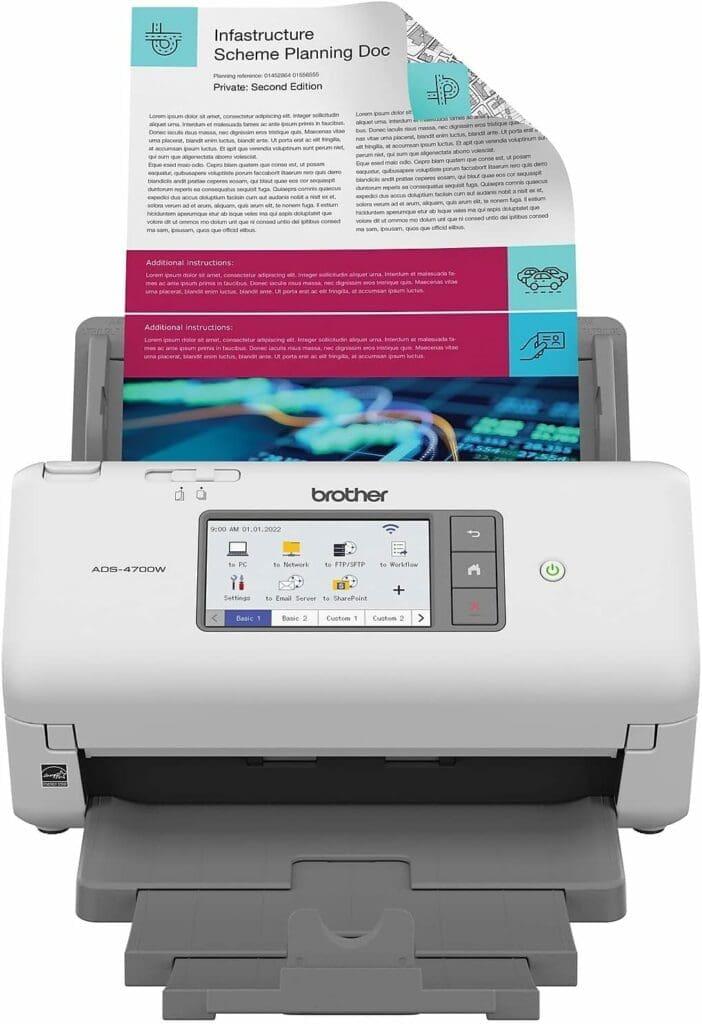
Pros: Strengthens process documentation control.
Cons: Requires organized digital storage practices.
EcoTank ET-2800 Wireless Color All-in-One Cartridge-Free Supertank with Scan and Copy
Supports process documentation and reporting workflows.
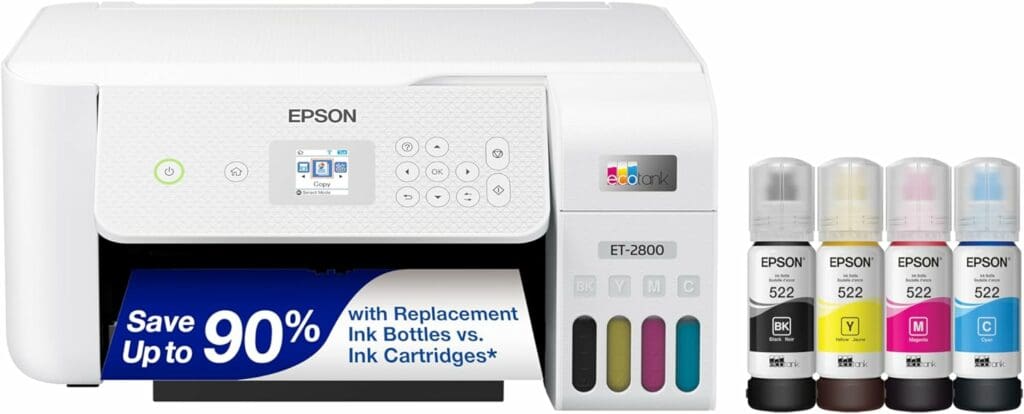
Pros: Cost-efficient long-term operation.
Cons: Requires structured document management.
These tools enhance performance visibility and reinforce structured evaluation practices.
Next Step Action
If your organization has implemented optimization but still lacks clarity around long-term impact, BCINC provides structured evaluation reviews that identify sustainability risks, performance gaps, and opportunities for continued improvement.
Conclusion
Optimization creates momentum — but evaluation creates confidence.
Understanding how to evaluate process optimization outcomes allows business leaders to distinguish between temporary efficiency and sustainable operational progress.
When review and evaluation become routine, optimization evolves from being an isolated initiative into a disciplined growth capability.
FAQs for How to Evaluate Process Optimization Outcomes
How long should I wait before evaluating optimization outcomes?
Most organizations should begin early observation within 30 days and conduct deeper evaluation within 60–90 days.
What metrics best measure optimization success?
Combine efficiency metrics, quality indicators, and adoption signals to obtain a balanced perspective.
Why do optimization efforts sometimes create new problems?
Because acceleration can expose weaknesses in adjacent processes or create behavioral adaptation challenges.
Is optimization the final stage of process improvement?
No. Optimization should be followed by evaluation and continuous improvement to maintain long-term performance.
References
APQC (American Productivity & Quality Center) 2025. Optimize Operations & Stay Competitive with Business Content & Accelerators. https://www.apqc.org/resource-library/resource-listing/optimize-operations-stay-competitive-business-content-0


