
Discover the next steps after implementing process improvements and learn 7 critical actions to sustain gains, measure results, and boost productivity.
Most businesses celebrate when process improvements are implemented. The workflow is cleaner. Meetings are shorter. Friction is reduced. Everyone breathes a little easier.
Then, three months later, things quietly drift.
I’ve seen it happen repeatedly. A construction firm redesigned its job scheduling system and immediately reduced delays. But without follow-up structure, staff slowly returned to “the old way.” The tools weren’t the issue. The follow-through was.
Understanding the next steps after implementing process improvements is what separates temporary wins from sustainable change.
Improvement doesn’t end at implementation. In many ways, that’s where the real work begins. This is where a structured business process improvement strategy separates temporary fixes from lasting gains.
Next Steps After Process Improvements: Avoiding the Regression Trap
One of the most overlooked next steps after process improvements is guarding against regression.
Many owners focus heavily on how to implement change, but fewer understand that sustaining results is just as critical as learning how to improve business processes in the first place.
Why Early Gains Often Fade
Initial enthusiasm creates momentum. But once urgency fades, old habits resurface. Without reinforcement, new processes weaken.
This is where continuous improvement must replace one-time effort. Leadership must intentionally monitor adoption, not assume it.
Leadership Accountability After Implementation
Someone must own the new process. If accountability is vague, drift is inevitable.
Assign a clear process owner responsible for monitoring adherence and reviewing performance data. Strong ownership supports operational stability and reduces backsliding.
Measuring Success After Process Improvements
If you don’t measure progress, you’re relying on perception — and perception is unreliable.
Choosing the Right Process Improvement Metrics to Track
Not all metrics are equal. Focus on:
- Cycle time reduction
- Error rate changes
- Customer response time
- Revenue per labour hour
Tracking meaningful process improvement metrics to track allows you to evaluate real impact, not just activity.
These metrics strengthen performance measurement systems and protect improvement gains. Failing to measure results is one of the most common business plan mistakes that undermines otherwise strong operational initiatives.
Leading vs Lagging Indicators
Lagging indicators show outcomes (profit, output). Leading indicators show behaviours (task completion, adherence rates).
Balanced measurement helps you anticipate issues before they become visible problems.
Impact of Process Improvements on Productivity
The impact of your process improvements on productivity is rarely linear.
How to Identify Real Productivity Gains
True productivity improvement shows up as:
- Reduced rework
- Shorter decision cycles
- Fewer escalations
Look for improvements in workflow efficiency rather than raw output alone. True productivity improvement isn’t just about producing more units or closing more tickets. It’s about smoother flow.
Look for improvements in workflow efficiency rather than raw output alone. Are decisions being made faster? Are hand-offs cleaner? Has rework decreased?
When teams spend less time correcting mistakes and more time advancing work, that’s genuine operational progress — not just activity disguised as performance.
When Productivity Appears to Drop Before It Improves
Short-term dips are normal. When employees learn a new process, productivity may temporarily slow.
That adjustment period is healthy. Long-term improvement requires patience and strong change management discipline.
Best Practices for Process Improvement Follow-up
Best practices follow-up protect gains and create structure. Leaders who document these outcomes clearly — especially when learning how to write an executive summary of a business plan — are far more likely to communicate operational impact effectively.
30-60-90 Day Review Framework
- 30 Days: Confirm adoption levels
- 60 Days: Review early metrics
- 90 Days: Evaluate sustainability and refine
Structured reviews strengthen operational accountability and prevent complacency.
Communication and Reinforcement Systems
Regular team discussions ensure new processes remain visible.
Transparency improves organizational alignment and keeps improvements embedded in daily routines. Process changes rarely stick without consistent communication.
Reinforcement systems ensure improvements stay visible after implementation. This can include short monthly check-ins, dashboard reviews during leadership meetings, or team discussions about what’s working and what isn’t.
When expectations are regularly reinforced, new behaviours become normal practice instead of temporary adjustments that quietly disappear under pressure.
How to Sustain Process Improvements Over Time
Sustaining process improvements depends on discipline.
Embedding Improvements into Daily Operations
New processes should be reflected in:
- SOP documentation
- Performance reviews
- Team meetings
Embedding strengthens process consistency and reduces reliance on memory. These refinements should eventually be reflected when revisiting how to write the operations section of a business plan, ensuring the plan reflects operational reality.
Avoiding Improvement Fatigue
Too many initiatives create burnout. Prioritize changes and space them out.
Sustainable improvement requires steady momentum, not constant disruption.
Best Advanced Tools for Process Management and Small Businesses in General
The best advanced tools for process management and businesses in general support sustainability — not complexity.
Below are four highly rated supporting tools for professional process oversight.

1. TONGVEO Conference Room Camera System, All-in-One Video and Audio Conferencing System Bundle
Best For: Structured remote review meetings
Pros: Enterprise-grade video clarity, strong collaboration support
Cons: Premium pricing, may be excessive for very small teams
Supports consistent follow-up and improves communication workflows.
2. Samsung 34-Inch Ultra-Wide Business Monitor
Best For: Dashboard visibility and multi-system tracking
Pros: Enhanced data visualization, boosts performance monitoring
Cons: Requires workspace setup adjustment
Large displays improve decision speed and support data-driven management.
3. FELLOWES Powershred 99Ci Jam-Proof Cross-Cut Shredder

Best For: Secure document management
Pros: Protects sensitive performance documentation
Cons: Physical storage systems still require organization
Supports compliance and strengthens information governance practices.
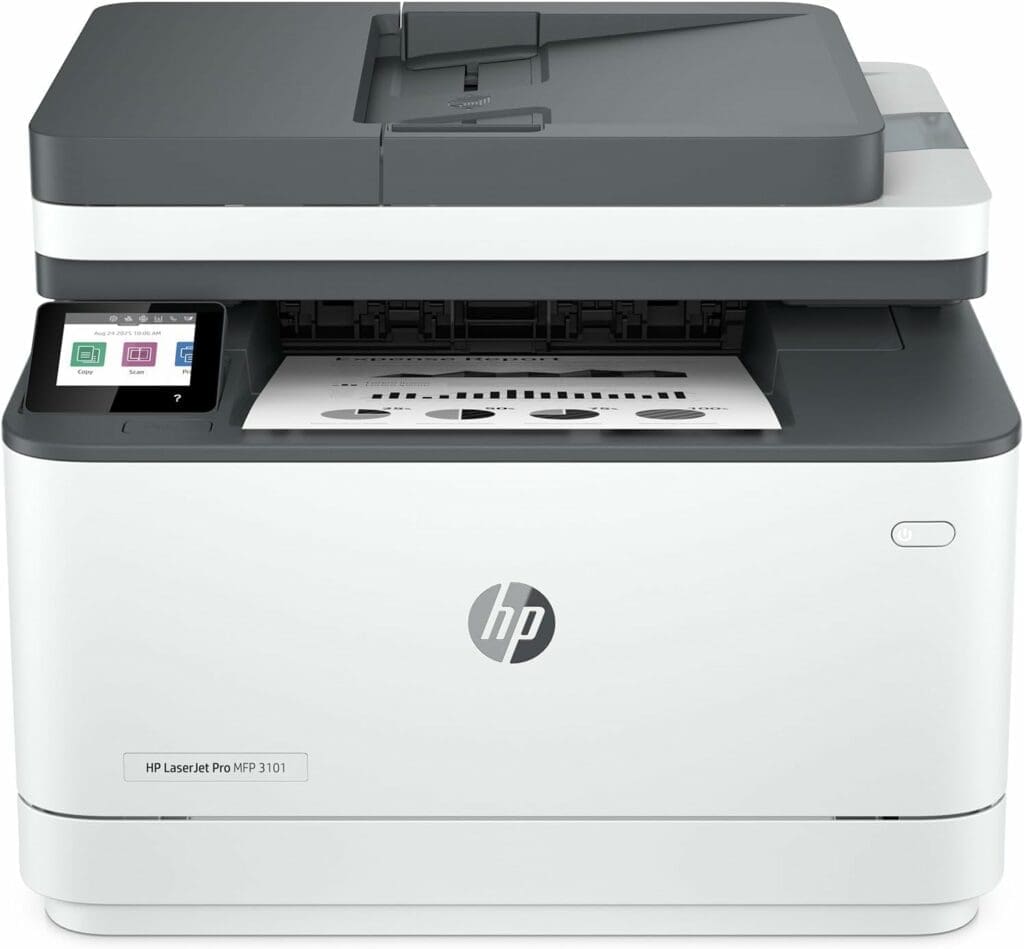
4. HP LaserJet Pro MFP 3101fdw Printer
Best For: Process documentation and SOP distribution
Pros: Reliable, high-volume output
Cons: Ongoing toner costs
Supports structured documentation and improves process documentation control.
Next Steps After Implementing Process Improvements: Building a Continuous Improvement Culture
Ultimately, the next steps after implementing process improvement initiatives must evolve beyond tasks into culture.
Moving From Projects to Mindset
Improvement cannot remain a “project.” It must become expectation.
When improvement is treated as a one-time project, it receives temporary focus and then loses priority.
Moving from projects to mindset means embedding reflection into normal operations. Leaders and business owners should ask themselves regularly: “What’s slowing us down?” or “What could work better?”
A sustainable improvement mindset aligns directly with writing mission and vision statements that guide long-term operational decisions.
Over time, this shifts improvement from event-based activity to continuous operational awareness and long-term strategic advantage.
Organizations that adopt a continuous improvement mindset outperform those continuously firefighting or relying on periodic fixes.
When to Seek External Expertise
Sometimes internal teams lack objectivity.
If progress stalls or gains fade, structured external review can restore clarity. BCINC specializes in post-implementation reviews, sustainability audits, and performance measurement systems designed for small businesses.
Logical Next Step
If you’ve implemented improvements but aren’t seeing sustained results – reach out to BCINC. Let’s help you assess adoption gaps, refine performance metrics, and build long-term stability.
If you’re unsure whether your improvements are truly embedded, BCINC offers a structured process audit designed to identify adoption gaps and sustainability risks.
Related Articles
Types of Business Problems – How to Solve Them
Conclusion
Implementation is only the beginning.
The real leverage lies in the next steps after implementing process improvements — tracking metrics, reinforcing accountability, reviewing performance, and embedding discipline into daily operations.
Small gains compound, but only if they are protected.
FAQs
What are the next steps after process improvement initiatives?
The next steps include measuring results, reinforcing accountability, reviewing performance data, and embedding changes into daily operations.
How do I sustain process improvements long term?
Sustainability requires clear ownership, structured follow-ups, defined metrics, and leadership reinforcement.
What metrics should I track after process improvements?
Track cycle time, error rates, productivity indicators, and customer satisfaction to measure true impact.
Why do process improvements fail after implementation?
Improvements fail due to lack of follow-up, unclear accountability, insufficient measurement, and change fatigue.
References
- BDC – Operational efficiency https://www.bdc.ca/en/articles-tools/operations/operational-efficiency
- SBA – Manage your business https://www.sba.gov/business-guide/manage-your-business


