
Why an internal audit matters for small businesses. Learn the internal audit process, benefits, preparation steps, and how audits improve efficiency.
Many small business owners still ask, why an internal audit? They assume audits are only for large corporations with compliance departments and legal teams.
That assumption quietly costs them money.
When operations feel chaotic, rework keeps happening, accountability is fuzzy, and leadership is constantly firefighting — that’s when an internal audit becomes most valuable.
An internal audit isn’t about blame. It’s about clarity.
It gives you a structured way to evaluate your operational processes, tighten your internal controls, and stop repeated breakdowns before they become expensive patterns.
Let’s break this down properly.
Why Internal Audits Are Essential for Small Businesses
One client once told me, “We don’t need an audit. We’re too small.”
Three months later, they discovered duplicated purchasing approvals, undocumented pricing changes, and safety procedures that were being modified informally by supervisors.
That is exactly why internal audits are necessary — not because you are large, but because complexity creeps in over time.
An audit helps you:
- Identify process inconsistencies
- Reduce rework and operational waste
- Improve compliance readiness
- Strengthen decision-making
- Increase accountability
At its core, an internal audit protects your business governance and strengthens risk management before problems escalate.
For businesses unsure where to start, a business health check can highlight early warning signs before a full internal audit is required.
Internal Audit Process Explained (In Practical Terms)
The internal audit process is a structured review of how work is actually being done compared to how it is supposed to be done.
If you want a deeper understanding of how audits uncover workflow gaps, our internal audit of operations service explains the structured approach we use with clients.
A typical internal audit includes:
1. Scope Definition
Management defines what area will be audited — operations, safety, finance, document control, or a specific workflow.
2. Baseline Assessment
Current procedures, records, and workflows are reviewed.
Process mapping is often used to identify bottlenecks and breakdowns.
3. Risk Identification
Areas of non-compliance or weak controls are flagged. This strengthens internal control systems and improves oversight.
4. Testing Controls
Auditors assess whether procedures are followed consistently and whether controls work as designed.

5. Reporting and Recommendations
Clear observations are documented, along with corrective actions and improvement priorities.
This is not theoretical. It is operational clarity in action. A non traditional fireproof document safe box is a worthy investment – IF any important documents MUST be printed.
How Internal Audits Improve Business Efficiency
One of the most overlooked advantages of audits is the improvement of business efficiency.
Internal audits often become the foundation for structured continuous process improvement management, where findings are translated into practical workflow fixes.
Audits help shift a business from being person-dependent to process-dependent.
That means:
- Fewer duplicated tasks
- Reduced approval bottlenecks
- Clearer accountability
- Better workflow consistency
- Less firefighting
Efficiency is not about speed. It is about removing friction from your business systems and strengthening operational discipline.
When internal audits are done properly, productivity naturally increases.
What Are Common Challenges in Internal Auditing?
Many businesses hesitate because of perceived barriers. Let’s address some common challenges in internal auditing:
Resistance from Employees
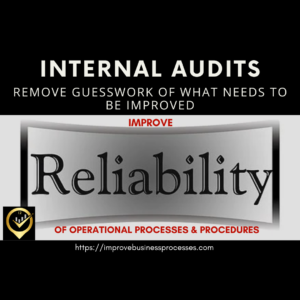
If audits are seen as fault-finding missions, participation drops.
Clear communication prevents this.
Lack of Documentation
Many small businesses operate informally. Audits expose gaps — which is uncomfortable but necessary.
Undefined Scope
Without clear scope definition, audits drift and lose focus.
Poor Follow-Through
An audit report without implementation is wasted effort.
These challenges are solvable with structured planning and strong leadership involvement.
How to Prepare for an Internal Audit (Without Stress)
Understanding preparation for an internal audit removes much of the anxiety. Many audit findings stem from weak documentation controls, which is why establishing a document management framework significantly improves audit readiness.
Preparation includes:
- Clarifying audit scope
- Updating key procedures
- Organizing documents
- Informing relevant team members
- Reviewing performance metrics
Preparation strengthens audit readiness and reduces unnecessary disruption.
The goal is not perfection. It is transparency.
What to Include in an Internal Audit Report
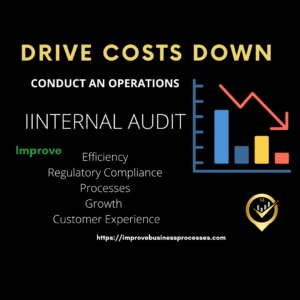
Audit insights can also strengthen the executive summary of a business plan by clarifying operational strengths, risks, and improvement priorities.
What you must include in an internal audit report are:
- Audit scope
- Methodology used
- Observations
- Identified gaps
- Risk level
- Corrective action recommendations
- Responsible parties
- Implementation timelines
A clear report supports continuous improvement and enhances management oversight.
Integrating AI in Internal Audits (Emerging Trend)
Technology is transforming auditing practices.
Integrating AI in internal audits allows businesses to:
- Analyze large datasets faster
- Identify anomalies automatically
- Detect patterns across departments
- Monitor compliance in real time
AI does not replace professional judgment. It enhances data analytics and strengthens internal monitoring systems.
Small businesses can start simply by using structured digital audit checklists and analytics dashboards.
Red Flags That Signal You Need an Audit Now
Recurring audit findings often point to deeper operational issues outlined in common types of business problems faced by growing businesses.
If you recognize any of these patterns, an audit should not be delayed:
- Constant rework or rejects
- Finger-pointing between departments
- Repeated compliance issues
- Procedures not consistently followed
- Endless meetings with no resolution

These are not personnel issues. They are process control failures.
What an Internal Audit Is Not
An internal audit is not:
- A disciplinary tool
- A downsizing mechanism
- A blame exercise
When employees understand this, engagement improves significantly.
An audit strengthens systems — not fear.
Conclusion: Why an Internal Audit Matters More Than You Think
Why an internal audit?
Because businesses that grow without structured oversight eventually accumulate inefficiencies, risks, and hidden vulnerabilities.
An internal audit provides:
- Clear assessment of current operations
- Strengthened internal controls
- Reduced bottlenecks
- Increased accountability
- Improved operational consistency
It moves your business from reactive to proactive.
If your operations feel like they are running on memory, habit, or constant intervention — it may be time to introduce structure.
Need help conducting a practical, non-disruptive internal audit?
Contact BCINC to discuss how we can assess your operational processes and strengthen your internal controls without overcomplicating your business.
FAQs for Why An Internal Audit is Needed
Why is an internal audit important for small businesses?
Internal audits identify process inefficiencies, compliance risks, and control weaknesses before they become costly problems.
How often should a small business conduct an internal audit?
Most small businesses benefit from annual audits, with quarterly reviews for high-risk or fast-growing operations.
What is included in an internal audit report?
An audit report includes scope, findings, identified risks, corrective actions, and recommended improvements.
How do internal audits improve efficiency?
Audits reduce rework, strengthen controls, clarify accountability, and streamline workflows.
Can internal audits be conducted remotely?
Yes. Many internal audits can be performed remotely using digital records, interviews, and process documentation reviews.
Supporting Business-Grade Tools
- Brother HL-L3270CDW Wireless Colour Laser Printer – Reliable for audit documentation and reports.
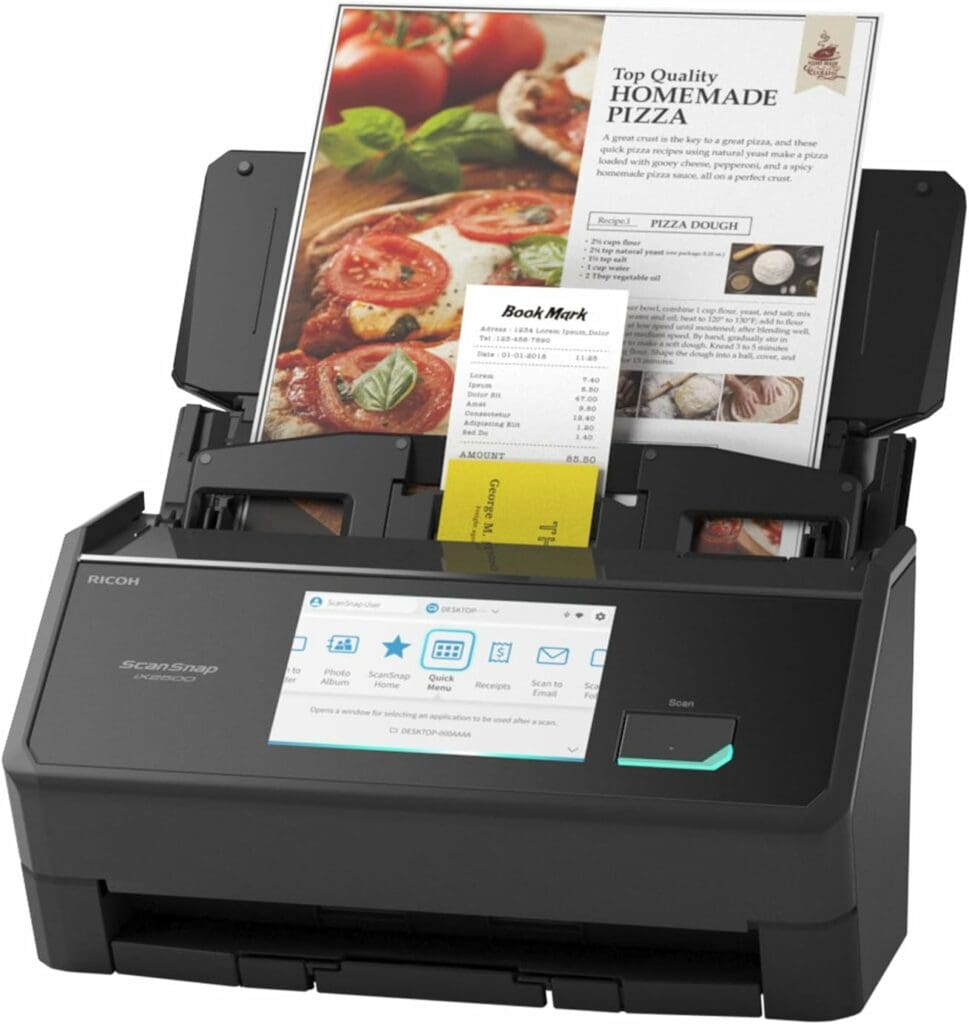
- ScanSnap iX2500 Wireless or USB High-Speed Cloud Enabled Scanner— for high-speed document digitization (Document, Business Card, Photo, Receipt, ID Card, Insurance Card).
- Fellowes Powershred 99Ci Cross-Cut Shredder – Secure disposal of outdated sensitive audit materials.
- ENGPOW Fireproof Box File Storage Organizer Anti-Static Box With Key – Protects critical compliance and audit documents.
Related Article
References
Jean-Marc Mickeler (2020) Building Resilience: The Importance of Audit During Times of Disruption. Forbes. https://www.forbes.com/sites/deloitte/2020/09/24/building-resilience-the-importance-of-audit-during-times-of-disruption/?sh=2b3847e775a5


