

Learn how to write an executive summary of a business plan with 9 essential steps, real examples, and expert tips to create a clear, compelling summary that wins attention.
If there’s one section of a business plan that causes disproportionate stress—and the least forgiveness—it’s the executive summary. I’ve seen smart, capable business owners freeze up here—not because they don’t understand their business, but because they’re trying to summarize everything at once.
That’s the paradox.
I’ve lost count of how many times I’ve seen a solid business plan ignored because the executive summary was confusing, vague, or painfully generic. That’s a shame, because this section isn’t just a formality. It’s the gateway. If it doesn’t work, the rest of the plan may never be read.
This guide walks you through how to write an executive summary of a business plan in a way that’s clear, structured, and genuinely useful. No corporate fluff. No copy-and-paste templates that sound like everyone else’s. Just practical steps that reflect how real businesses actually operate.
If you’re writing a business plan for a startup, a growing small business, or even a funding application, these nine steps will help you create an executive summary that does what it’s supposed to do: explain the business quickly and make people want to keep reading.
How to Write an Executive Summary of a Business Plan?
An executive summary is a concise overview of your entire business plan. It highlights the most important points so a reader can quickly understand without getting lost in details.
It should answer, fast:
- What your business does
- Who it serves
- What problem it solves
- How it makes money
- Where it’s headed
Think of it as the “reader’s digest” version of your plan. That’s a lot to cover—but when structured properly, it fits together naturally.
Investors, lenders, and partners often read only this section first. If it’s unclear or unfocused, the rest of the document rarely gets a second chance. That’s why clarity matters more than clever wording.
Step 1: How Do I Create a Compelling Executive Summary? (Start With the Purpose)
Before writing a single sentence, be clear about why you’re writing it.
A strong executive summary should:
- capture attention quickly
- communicate credibility
- set expectations for what follows
Here’s the most common mistake I see: people try to write the executive summary first.
The executive summary appears at the beginning of your business plan, but it should be written after everything else is finished. Why? Because it summarizes information that doesn’t exist yet until the rest of the plan is complete.
Trying to write it first usually leads to vague statements and constant rewrites.
Practical tip
Finish your market analysis, financial projections, and operations section first. Then come back and summarize what’s actually there—no guessing required.
If someone read only your executive summary, would they understand your business well enough to explain it to someone else? If not, it needs tightening.
Step 2: Executive Summary Business Plan Structure (Use a Simple Framework)
One reason executive summaries fall flat is poor organization.
Your opening paragraph should explain your business in plain language. Someone unfamiliar with your industry should understand it without effort.
A proven executive summary business plan structure typically includes:
- Business overview
- Problem and solution
- Target market
- Products or services
- Business model
- Competitive advantage (what makes you different)
- Financial highlights
- Growth goals
- Funding or next steps (if applicable)
Avoid buzzwords. Clarity always wins.
You don’t need headings in the final executive summary, but you do need logical flow. This structure also helps readers scan quickly, which is exactly what most decision-makers do.
Step 3: Define the Problem and Your Solution (Without Turning It Into a Sales Pitch)
Every business exists to solve a problem. If that problem isn’t obvious in the executive summary, readers lose interest fast.
Briefly describe:
- the problem your target customers face
- why existing solutions fall short
- how your business solves it better
This is where your value proposition should shine—but keep it grounded. The executive summary isn’t the place for hype. It’s the place for clarity.
Step 4: Explain Your Market Opportunity (Show It’s Not Just a “Nice Idea”)
This section shows that your business idea is grounded in reality.
Include:
- who your target customers are
- market size (high level, not detailed)
- industry trends or demand indicators
You don’t need charts here. You just need enough information to show the opportunity is real and well-researched.
This supports the executive summary structure investors expect to see—and helps your plan feel credible instead of wishful.
Step 5: How to Summarize a Business Plan Effectively (Explain How You Make Money)
Here’s where you explain how the business makes money.
At a high level, cover:
- your primary products or services
- pricing approach
- revenue streams
- sales or distribution method
If someone can’t tell how you earn revenue after reading this section, the summary needs work.
This part doesn’t need to be long—it just needs to be clear.
Step 6: Highlight Key Financial Information (Keep It Realistic)
You don’t need detailed tables here—that belongs later in the plan—but you do need a snapshot.
Typically include:
- revenue projections
- profit expectations
- break-even point (if applicable)
- funding needs (if any)
This section builds confidence when the numbers are realistic and aligned with your full financial section.
Practical tip:
If your financials are still rough, be conservative. Over-optimistic projections are one of the fastest ways to lose credibility.
Step 7: Outline Your Goals and Growth Plan (Where Is This Going?)
This part shows where the business is headed.
Briefly touch on:
- short-term goals (12–24 months)
- long-term vision
- growth milestones
This answers the question many readers silently ask: Where is this business going?
It also helps align your executive summary with the broader elements of a successful business plan—because a plan without direction is basically just a document.
Step 8: Executive Summary Business Plan Checklist (Keep It Tight and Easy to Scan)
A strong executive summary is:
- clear
- concise
- easy to scan
Aim for:
- 1–2 pages max
- short paragraphs
- logical flow
- simple language
This is where an executive summary business plan checklist becomes helpful.
Before you finalize, ask yourself:
- Did I explain what the business does in one clear sentence?
- Is the problem obvious and the solution believable?
- Is it clear who the customer is?
- Is it clear how the business makes money?
- Did I include financial highlights without overdoing it?
- Does the summary make someone want to keep reading?
Semantic keywords used: scan-friendly, key highlights
Step 9: Expert Tips for Writing Executive Summaries (Edit Like a Human, Not a Robot)
This step sounds simple, but it’s powerful.
Read your executive summary out loud.
If something sounds awkward, confusing, or overly formal, rewrite it. The goal is a confident, natural tone—not corporate jargon.
Here are a few expert tips for writing executive summaries that actually help:
- Cut filler phrases (“in order to,” “it is important to note…”)
- Replace vague language with specifics (“we help businesses grow” → how?)
- Remove anything that belongs in the body of the plan
- Make your first paragraph ridiculously clear
If your summary sounds like it could belong to any business… it’s too generic.
If you want a second set of eyes on your executive summary (or your full business plan), I can review it for clarity, structure, and credibility—so it actually gets read.
Helpful Tools for Writing and Organizing Your Executive Summary
Having the right tools makes the writing process smoother—especially when revisions are involved.
Here are a few highly rated tools that support planning, drafting, and staying organized:
- Rocketbook Smart Reusable Notebook (great for drafting and revising ideas)
- Brother HL-L2350DW Monochrome Laser Printer (useful for printing clean draft versions)
- Seagate Portable 2TB External Hard Drive (for securely storing business plan versions)
- Erin Condren Focused Planner (helps map goals and timelines clearly)

ROCKETBOOK Smart Reusable Notebook Wireless
Wireless device for revising projections and ideas without clutter
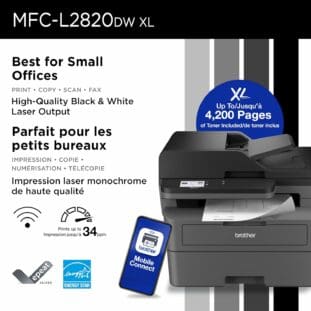
Brother MFC L2820DWXL Monochrome Printer
Practical business laser printer for printing drafts, financials, and lender copies

SEAGATE Portable 2TB External Hard Drive
Essential for backing up versions and supporting documents

LEGEND Deluxe Weekly-Monthly Life Planner
Useful for mapping priorities, timelines, and milestones
Additional Resources:
Familoe, B (2021). 10 Tips for Creating a Winning Executive Summary for Investors https://www.score.org/resource/blog-post/10-tips-creating-a-winning-executive-summary-investors
Statistics Canada. Devising a strategy and creating a business plan https://www12.statcan.gc.ca/census-recensement/smallbusiness-petitesentreprises/strategy-business-plan-eng.htm
Linkedin (2025) How do you write an executive summary that captures the attention of your potential investors? https://www.linkedin.com/advice/0/how-do-you-write-executive-summary
Government of Canada – Business plan guide https://sbs-spe.feddevontario.canada.ca/business-plan-guide
Common Mistakes to Avoid in an Executive Summary
Many of the same common mistakes in business plans show up here:
- writing too much detail
- using vague or generic language
- overstating financial projections
- repeating the entire business plan
- forgetting the audience
Avoiding these pitfalls keeps your executive summary focused and effective.
Semantic keywords used: common pitfalls, reader focus
Conclusion: A Strong Executive Summary Gets Your Plan Read
A great business plan can still get ignored if the executive summary is unclear.
The goal isn’t to impress people with big words. The goal is to make your business easy to understand, easy to trust, and worth reading more about.
If you follow the steps above, you’ll end up with an executive summary that does what it’s supposed to do: give readers confidence and pull them into the rest of your plan.
FAQs for How to Write an Executive Summary of a Business Plan
What should be included in an executive summary of a business plan?
Include what the business does, who it serves, the problem and solution, how it makes money, key financial highlights, and where the business is headed.
How long should a business plan executive summary be?
Most executive summaries should be 1–2 pages long. Keep it scan-friendly and focused on the most important points from your full plan.
Should I write the executive summary first or last?
Write it last. You’ll create a clearer, more accurate summary once your market research, operations plan, and financial projections are complete.
What makes an executive summary compelling?
Clarity, structure, and specificity. A compelling executive summary explains the business quickly, shows credibility, and makes the reader want to continue.
Can I use an executive summary template for startups?
Yes—but customize it. Templates help with structure, but investors can spot generic summaries fast. Use a template as a guide, not a copy-and-paste solution.


