
Learn how to reset business strategy using 8 strong signs your small business may be off track, plus practical steps to realign and grow.
Why Small Business Owners Wait Too Long to Reset Strategy
Most owners do not decide to ignore strategy on purpose. It usually happens because the business gets busy. Sales need attention. Staff need answers. Customers need follow-up.
Before long, the strategy that once felt clear has turned into a foggy mix of old goals, new problems, and daily firefighting.
If your strategic direction has become blurry, revisiting how to write a small business plan can help you reconnect your current decisions to a stronger planning foundation.
That is exactly why learning how to reset business strategy matters. A strategy should help you make cleaner decisions, not leave you guessing.
BDC describes strategic planning as the process that defines where a business is going and the concrete actions needed to get there, while CFIB describes a business plan as a living document rather than a one-time exercise.
I have seen this play out many times. An owner thinks the business has a sales problem, but the real issue is that the strategy no longer matches the business.
Another thinks the team is underperforming, but the deeper problem is that nobody is clear on the real priorities. That is when strategic clarity and operational alignment become more important than working harder.
How to Reset Business Strategy Before Problems Get More Expensive
The first step in how to reset business strategy is not throwing everything out. It is looking honestly at where the business is now versus where the strategy says it is.
If those two versions do not match, the business starts paying for it through wasted time, weak margins, confused staff, and stalled growth. BDC’s strategy resources consistently frame strategic planning as a practical roadmap tied to execution, targets, and action.
A strategy reset works best when you treat it like a review, not a dramatic reinvention. You are checking what still fits, what no longer works, and what needs to be updated so the business can move forward with less friction.
That is where business direction and decision-making discipline start to come back together.
What Is Small Business Strategy and Why Does It Matter?
In plain language, small business strategy is the set of choices that tells your business what to focus on, what to avoid, and how to grow without losing control. It is not just a mission statement or a wish list.
BDC distinguishes a strategic plan from a business plan by explaining that strategy looks at the current environment, sets future goals, and outlines how the business will reach them.
That matters because owners make decisions every week that either support the strategy or quietly undermine it.
Hiring, pricing, marketing, delivery, customer mix, and growth timing all depend on clear priorities and measurable goals. If strategy is vague, every decision gets harder.
Why Small Businesses Need Strategy to Grow With Clarity
A lot of owners assume strategy is for larger companies. It is not. In a small business, strategy is even more important because there is less room for expensive mistakes.
When resources are tight, you need to know what deserves attention now and what should wait. CFIB describes business planning as a roadmap for the future, while BDC’s growth planning guidance emphasizes the need for a clear picture of strengths, weaknesses, goals, and action steps.
Without that structure, owners drift into reaction mode. They chase the loudest issue, say yes to the wrong work, delay necessary changes, and end up carrying too much in their heads. A working strategy creates focus and stability.

8 Strong Signs It’s Time to Reset Your Business Strategy
1. Your Revenue Is Moving, but Profit Is Not
This one catches people off guard. Sales may be rising, but profit is flat or slipping. That usually means the business is growing in the wrong way.
Maybe pricing no longer reflects cost. Maybe your mix of work changed. Maybe delivery is eating more time than expected.
One owner I worked with kept celebrating higher revenue, but by the end of the quarter, cash still felt tight.
After a closer look, the real problem was that the business had grown into lower-margin work without updating the strategy. That is a classic sign you need how to reset business strategy at the profit level, not just the sales level.
When profit, operations, and priorities stop lining up, structured business health checks can help reveal what is really driving the disconnect.
2. Your Team Is Busy but Not Aligned
A busy team is not always a productive team. If everyone is working hard but pulling in slightly different directions, the strategy is not showing up in day-to-day operations.
You will see it in small ways: priorities change too often, projects drag, people keep asking what matters most, and the owner becomes the main translator of the business. That usually means team alignment and execution discipline need work.
3. You Keep Reacting Instead of Leading
If your week feels like one long response to urgent issues, your strategy is not giving you enough structure.
Owners often assume this is just part of running a small business, but staying in reaction mode too long usually means the strategic filter is weak.
This is one of the clearest clues in how to reset business strategy. A good strategy should help you sort urgent from important. If everything feels equally pressing, the business is running on pressure instead of direction.
4. Your Customers or Market Have Changed
Markets do not stay still. Customer expectations shift. Competitors reposition. Buying behaviour changes. If your strategy was built around assumptions that no longer hold, the business starts drifting even if the old plan still looks polished.
This is where market relevance and customer fit matter. If your ideal client changed, your offer changed, or the market got tighter, strategy needs to catch up.
5. You Have Goals, but No Clear Priorities
A lot of owners can list goals. Fewer can clearly rank them. If you are trying to improve margins, grow sales, hire staff, tighten systems, and launch something new all at once, the strategy is not prioritizing hard enough.
That is why how to reset business strategy often starts with subtraction. What matters most now? What supports that goal? What should wait?
BDC’s strategic planning guidance repeatedly emphasizes prioritizing the best ideas and turning them into clear next steps.
If your goals feel crowded or vague, reviewing how to set objectives for your small business can help you narrow your focus and choose what matters most right now.
6. Your Current Plan No Longer Matches Operations
This one shows up when the business plan says one thing and the business itself is doing another. Delivery processes changed. Team roles shifted. Costs moved. But the plan stayed frozen.
That gap quietly hurts performance because the business is no longer being managed from an accurate baseline.
If you are serious about how to reset business strategy, compare the current plan against today’s workflow, staffing, pricing, and capacity.
7. You Are Making Decisions Without a Strategic Filter
If you decide on hiring, spending, pricing, expansion, or customer mix without checking those decisions against any bigger framework, you are probably leading by instinct alone.
Instinct matters, but it works better inside a clear structure. Strategy gives owners a filter: Does this fit our goals? Does this support capacity? Does this protect margin? Without that filter, inconsistency grows.
8. Growth Feels Harder Than It Should
Growth is supposed to stretch a business, but it should not feel chaotic all the time. When growth feels heavier than expected, it often means the strategy is not matched to real operating capacity.
This is one of the harshest signs because owners often blame themselves first. In reality, the problem is usually strategic misalignment and system weakness, not lack of effort.
Why Do Small Business Strategies Fail? Common Causes Owners Overlook
Small business strategies fail for predictable reasons. They are often too vague, too optimistic, too disconnected from operations, or too rarely reviewed.
Sometimes they sound smart on paper but are impossible to apply in real life. BDC’s planning guidance stresses that strategy only works when it translates into specific actions, measurable targets, and follow-through.
Another common reason is that owners treat strategy like a one-time project. They build it during a period of change, then leave it untouched while the business evolves. That creates strategic drift and false confidence at the same time.
Understanding Small Business Strategy Challenges in Real Life
In real life, strategy problems usually show up disguised as something else:
- a staffing issue
- a profit problem
- a workload problem
- a pricing problem
- a customer-fit problem
A friend of mine once said, “I thought we had a people issue, but really we had a priority issue.” That line stuck with me because it is so common. When the strategy is fuzzy, the symptoms show up everywhere else.
What Are the Key Components of a Small Business Strategy?
A workable small business strategy should include:
- a clear direction
- a defined target market
- realistic goals
- priority actions
- operating assumptions
- simple performance measures
| Component | Why it matters |
|---|---|
| Direction | Keeps the business from drifting |
| Target market | Helps focus offers and messaging |
| Goals | Creates measurable progress |
| Priorities | Prevents overloading the business |
| Assumptions | Grounds decisions in reality |
| KPIs | Helps you track whether the strategy is working |
Those are the core components and management tools that make strategy usable rather than theoretical.
How to Adapt Small Business Strategies for Market Changes
If you want to know how to reset business strategy without starting from zero, start by reviewing what changed in the market:
- customer expectations
- price sensitivity
- competitor behaviour
- demand shifts
- delivery capacity
Then ask what that means for your business goals, offer mix, staffing, and margins. Adapting strategy does not mean chasing every market shift. It means adjusting carefully so the business stays relevant without losing discipline.
A Simple Process for Resetting Strategy Without Starting Over
Using SMART criteria to set objectives can also make your reset more practical by turning broad goals into actions your team can actually follow.
Here is a practical approach:
- Review your current numbers and margins.
- Compare them to the goals in your plan.
- Identify what no longer fits reality.
- Narrow your priorities to the few that matter most.
- Reconnect those priorities to workflows, responsibilities, and KPIs.
- Set a review date so the reset does not become another forgotten exercise.
That is the most practical answer to how to reset business strategy for a busy owner. Keep it simple, but keep it real.
Helpful Tools and Resources for Strategy Reviews
Useful tools include:
- a one-page strategy summary
- current financial reports
- a business plan checklist
- KPI dashboards
- a notebook or whiteboard system for quarterly reviews
Useful Office Printers for Strategy Reviews and Printed Planning Sessions
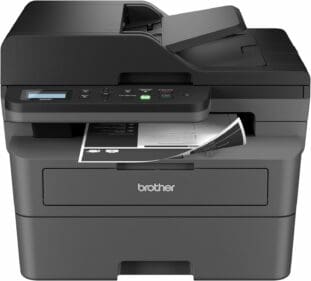
Brother DCP-L2640DW Monochrome Multifunction Laser Reliable, high-speed printer for document-heavy workflows
✔ Pros: Fast, durable
✖ Cons: Higher upfront cost

Brother HL-L8360CDW Business Color Laser Printer Great for consistent, high-volume output
✔ Pros: Excellent print quality
✖ Cons: Larger footprint
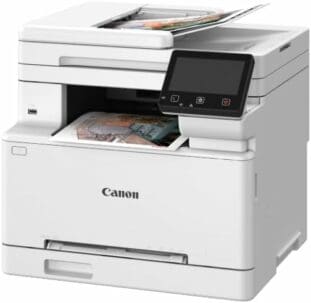
Canon imageCLASS MF445dw Business Printer
All-in-one solution for small offices
✔ Pros: Multi-function capability
✖ Cons: Learning curve

Epson RapidReceipt RR-600W – Wireless Color 2-Sided Receipt and Document Scanner …..
✔ Pros: Receipt & Invoice Management
✖ Cons: Learning curve
FAQs
How do you reset business strategy?
Start by reviewing current results, comparing them against goals, identifying what no longer fits, and narrowing priorities before reconnecting strategy to operations.
Why do small business strategies fail?
They usually fail because they are too vague, too disconnected from daily operations, or not reviewed often enough to stay relevant.
What is small business strategy?
It is the set of choices that defines where the business is going, what it will focus on, and how it will grow.
How often should a business strategy be reviewed?
At minimum, once a year. Review sooner when pricing, staffing, customer demand, or market conditions change significantly.
How do I know if my business strategy needs a reset?
If profit is slipping, priorities are unclear, your team is not aligned, or growth feels harder than it should, a reset is likely overdue.
Conclusion
Learning how to reset business strategy is not about making the business more complicated. It is about making it easier to run with more confidence.
If your goals no longer match reality, your team feels busy but disconnected, and your decisions are happening without a clear filter, that is not a small issue. It is a sign the strategy needs attention.
Action Step
Set aside time this week to review your current goals, numbers, and workflows against the strategy you are using now. Start by identifying one area where the business has clearly changed.
And if you can tell something is off but cannot clearly see what to fix first, that usually means the business needs a structured outside review. Sometimes what feels like a profit problem or people problem is really a strategy problem in disguise.
References
- Government of Canada business planning resources: Canada.ca planning tools and templates.
- CFIB Business Planning Guide: Practical Planning Guidance for Canadian Small Business Owners. https://www.cfib-fcei.ca/en/tools-resources/how-write-business-plan/
- BDC strategic planning tools and articles: What is the difference between a business plan and a strategic plan? https://www.bdc.ca/en/articles-tools/business-strategy-planning/define-strategy/business-plan-vs-strategic-plan-whats-difference?


